
Phone verification has become a universal checkpoint in the digital world. Whether you are creating a new email account, signing up for an online marketplace, joining a social platform, or securing your banking app, you are almost guaranteed to encounter one requirement: entering your phone number. While this process was originally intended to make accounts more secure, it has also created a new problem: the constant exposure of personal data.
A personal phone number, once shared, becomes deeply embedded in the digital systems that record user activity. It can be analyzed, stored indefinitely, or even sold without your knowledge. Many users underestimate the risk until they begin receiving suspicious messages, spam calls, or phishing attempts. These issues grow more severe every year as companies accumulate unprecedented amounts of user data.
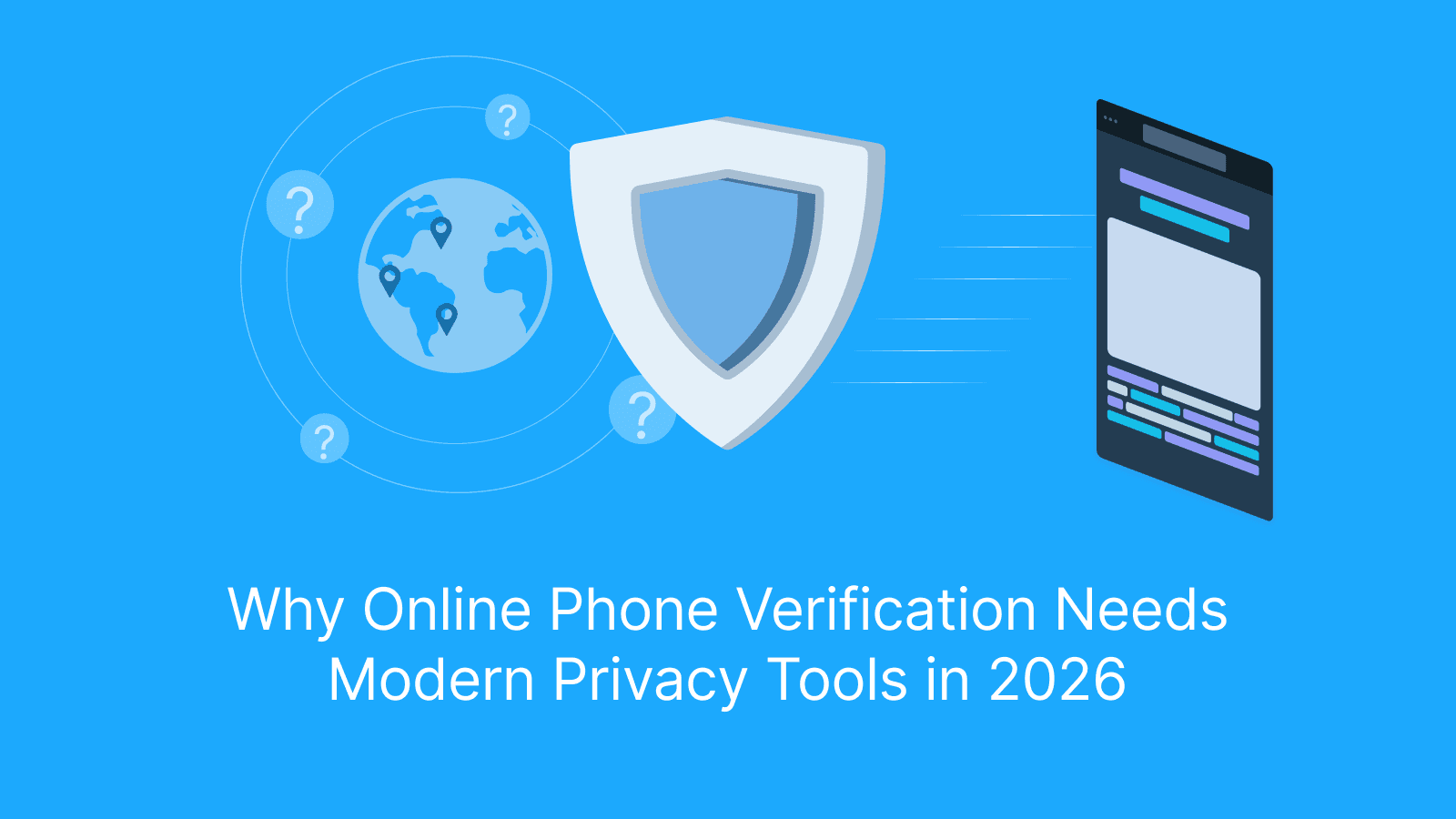
Modern users, therefore, need tools that allow them to verify accounts without giving away their identity. One of the simplest solutions is to receive SMS online through a secure system. This approach provides immediate access to verification codes without exposing a real phone number. It acts as a shield, blocking platforms from linking user behavior or building long-term profiles tied to a personal number.
Privacy concerns are not the only driving force behind the surge in alternative verification methods. Many people manage multiple online identities—work accounts, gaming accounts, project accounts, marketplace profiles, and more. Using the same phone number across all of them is risky because a single data leak can compromise everything at once. Temporary or virtual numbers solve this by creating isolated verification channels for each identity.
Developers, testers, and digital marketing professionals also benefit greatly from flexible phone verification tools. When building and testing new features, teams often need dozens of clean registrations. Using one physical number repeatedly is not only impossible but may also trigger platform flags or restrictions. Instead, professionals use digital tools that allow controlled, privacy-first verification. Platforms dedicated to secure phone verification make this process fast, scalable, and safe.
Another reason for the growing popularity of digital verification tools is regional accessibility. Many platforms limit features based on geography, requiring phone numbers from specific countries. Travelers, remote workers, and digital nomads often face barriers when trying to register abroad. Online verification tools bypass this issue entirely, enabling smooth access regardless of location.
Cybersecurity threats are also an important factor. Fraudsters frequently use leaked numbers to send realistic phishing attempts, track user behavior, or launch credential-stealing attacks. By limiting how often your real number is shared online, you greatly reduce your exposure and minimize your attack surface. A temporary or virtual verification number cannot be exploited the same way a personal one can.
Users also appreciate the convenience that online verification brings. Not everyone wants constant notifications from services they used only once. Promotional SMS campaigns, login reminders, code confirmations, and marketing events can quickly clutter a phone. When the verification is done through a temporary number, no unwanted messages ever reach your personal device.
Professional teams use advanced verification solutions for QA testing, onboarding flows, data validation, A/B experiments, and multi-region user access testing. They rely on tools that generate disposable verification channels in seconds. This dramatically speeds up workflows and eliminates the headache of juggling multiple physical SIM cards.
Even casual users benefit from these systems. Whether trying a new app, joining a contest, obtaining a coupon, accessing a foreign platform, or registering for a one-time action, a temporary verification number makes the experience frictionless and safe. It offers anonymity without limiting functionality.
In conclusion, the online world increasingly depends on phone-based verification, but it no longer requires the exposure of personal data. Modern tools give users complete control over what information they reveal and where. Whether the goal is security, privacy, convenience, or professional testing, digital verification solutions provide a smart alternative to sharing a real number. As digital ecosystems expand, these tools will become an essential part of everyday online safety and identity protection.
Further reading: What Is Data Verification? Tools, Principles, Comparison with Data Validation and What Are Mobile Proxies and How Do They Work? Pros and Cons.